South Korea closed the 2026 Aichi-Nagoya Asian Games with five esports medals across nine events, including a second consecutive League of Legends gold, according to InvenGlobal.
The final tally comprised two golds, one silver and two bronzes, spanning team and individual competitions. The League of Legends title was the final gold of South Korea’s campaign, while its first came in the fighting-game team event.
Two golds, two different routes
South Korea defeated Chinese Taipei 3-0 in the League of Legends final at Aichi Sky Expo on October 2. The team finished undefeated across all eight games, having topped Group B with wins over Chinese Taipei, India and Hong Kong before sweeping Saudi Arabia 2-0 in the semifinals.

The result extended South Korea’s run of Asian Games League of Legends titles, following its gold at Hangzhou. Faker, Zeus and Keria returned from that gold-winning roster to claim a second, while Canyon, Zeka and Gumayusi won gold in their Asian Games debuts.
The first gold of the campaign came on September 26, when Bae Jae-min, Lee Kwang-no and Yeon Je-gil beat host nation Japan 5-2 in the fighting-game team final. South Korea had trailed 1-2 before winning four consecutive sets in an event that combined Tekken 8, The King of Fighters XV and Street Fighter 6.
Lee anchored the comeback with two match wins, while Bae claimed two sets after losing his opener. Yeon also contributed by avenging an earlier defeat to Kojiro Higuchi. The victory gave South Korea its first gold medal of the Games and highlighted a second route to the top of the podium beyond its flagship team event.
Silver and bronze complete the haul
Kang Dong-shin added silver in Puyo Puyo Champions, reaching the September 26 final before losing 2-10 to Japan’s Yuki Kurihara. South Korea’s first esports podium of the Games had arrived three days earlier: Kim Young-chan finished third among eight finalists in Gran Turismo 7, with the standings determined by points across three races.
The Pokémon UNITE team secured the other bronze. Kim Jae-young, Park Seong-soon, Lee Ji-hwan, Cho Min-hyuk and Jin Soo-bin beat Singapore 2-1 in the September 27 quarterfinals, then lost 0-2 to Japan in the semifinals. The competition awarded tied third place without a separate bronze-medal match.
Together, the five podium finishes show South Korea winning medals across different formats, from an individual racing final to team competitions in fighting games and multiplayer titles. The spread across five disciplines gives the result a broader footprint than either gold-medal run alone.
South Korea’s event snapshot
| Medal | Event |
|---|---|
| Gold | Fighting-game team event; League of Legends |
| Silver | Puyo Puyo Champions |
| Bronze | Gran Turismo 7; Pokémon UNITE |
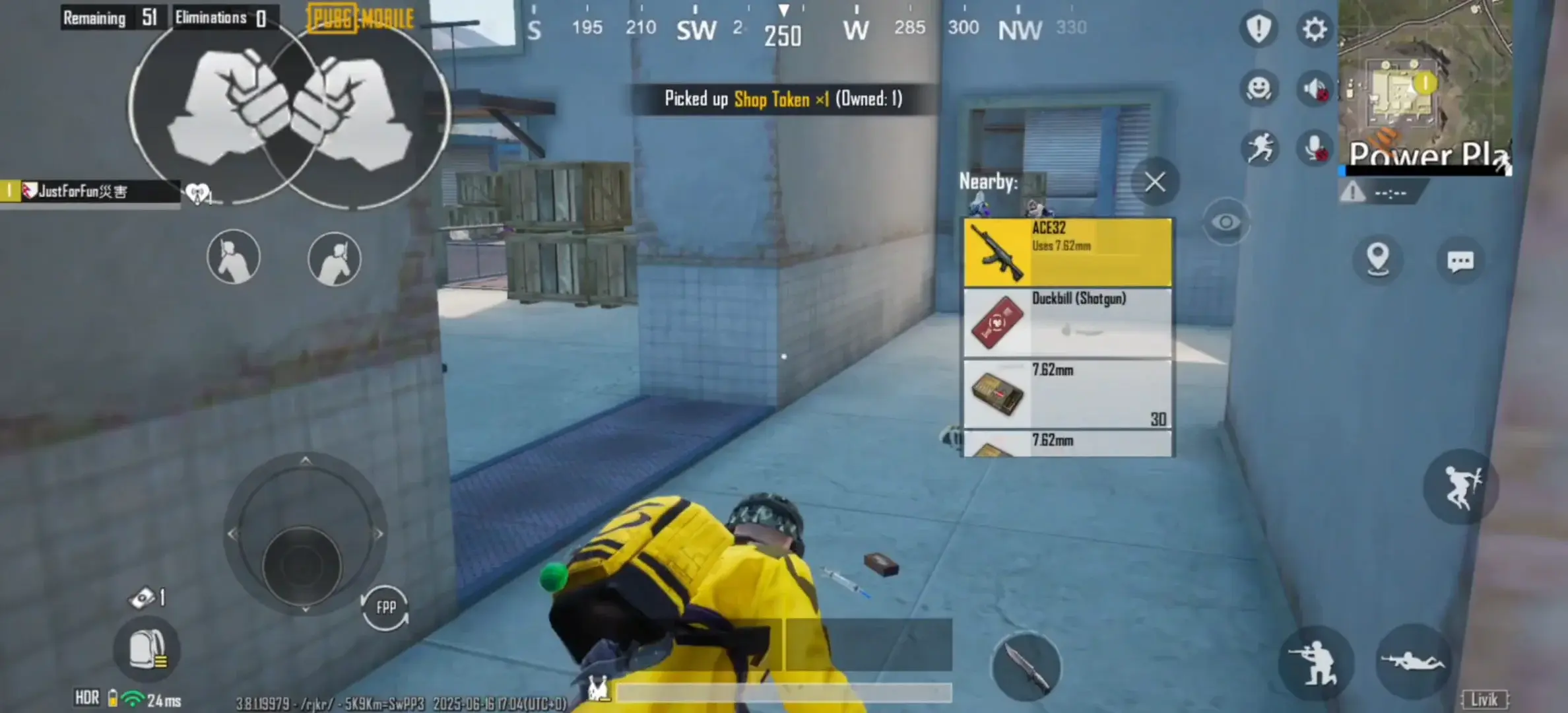
South Korea entered nine esports events, but not every campaign reached the podium. The PUBG Mobile team finished sixth with 71 points, despite taking a chicken dinner in the first match of the final day. Honor of Kings and Identity V exited in the quarterfinals, while eFootball did not advance from the group stage.
The result adds another chapter to the Asian Games esports programme, where national teams bring together players from multiple titles and competitive formats. South Korea’s back-to-back League of Legends gold sits alongside four medals from other disciplines, making the five-medal finish a measure of breadth as well as success at the top of the podium.