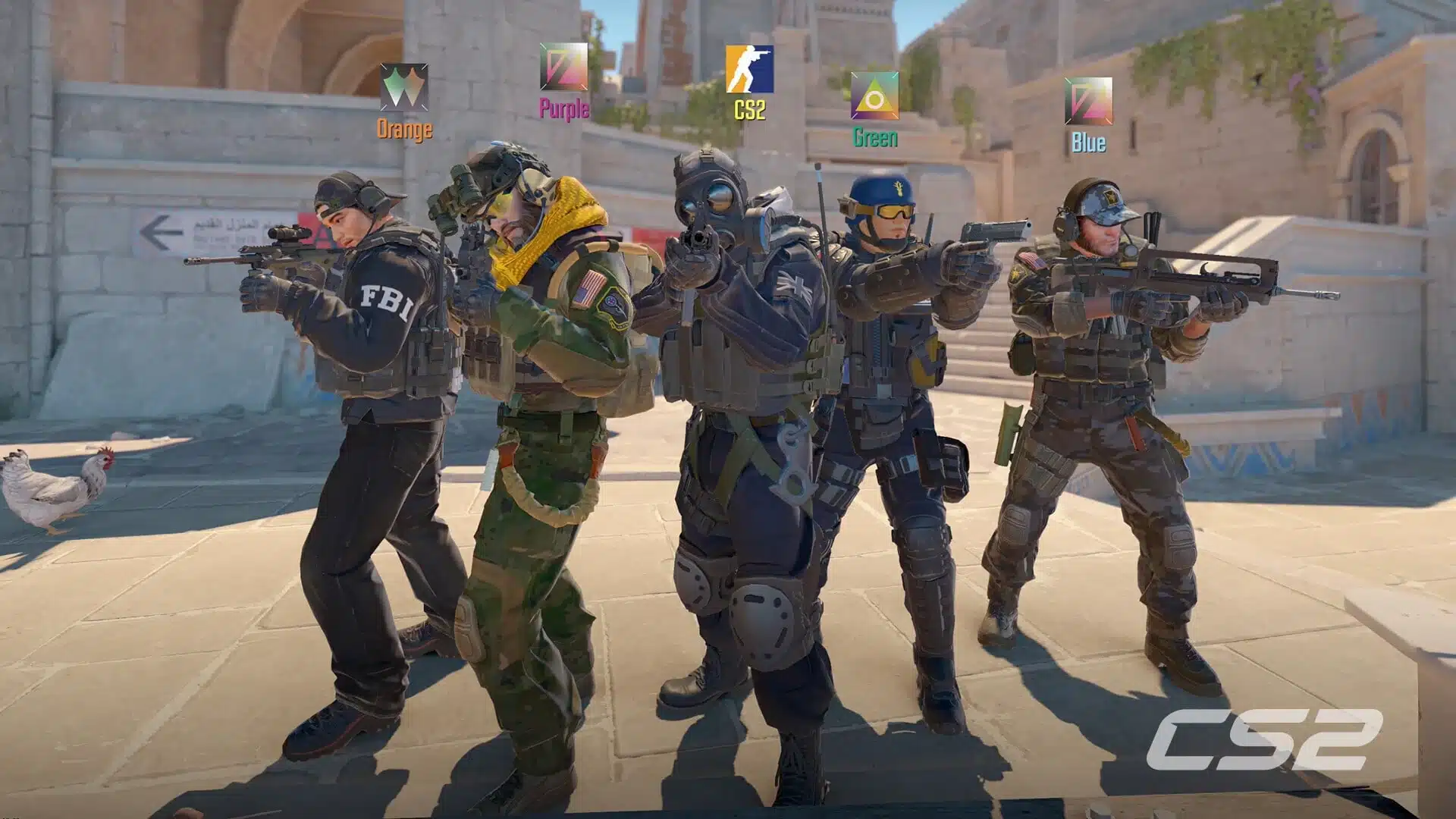
Counter-Strike 2 recorded a seventh consecutive monthly decline in average players in September 2026, falling to about 805,000 – its lowest monthly average since February 2024, according to dust2.us.
A record run of monthly declines
The seven-month streak is the first time average player numbers have fallen for that long across CS:GO and CS2, the report said. The September figure extends a sustained slide rather than marking an isolated monthly dip.
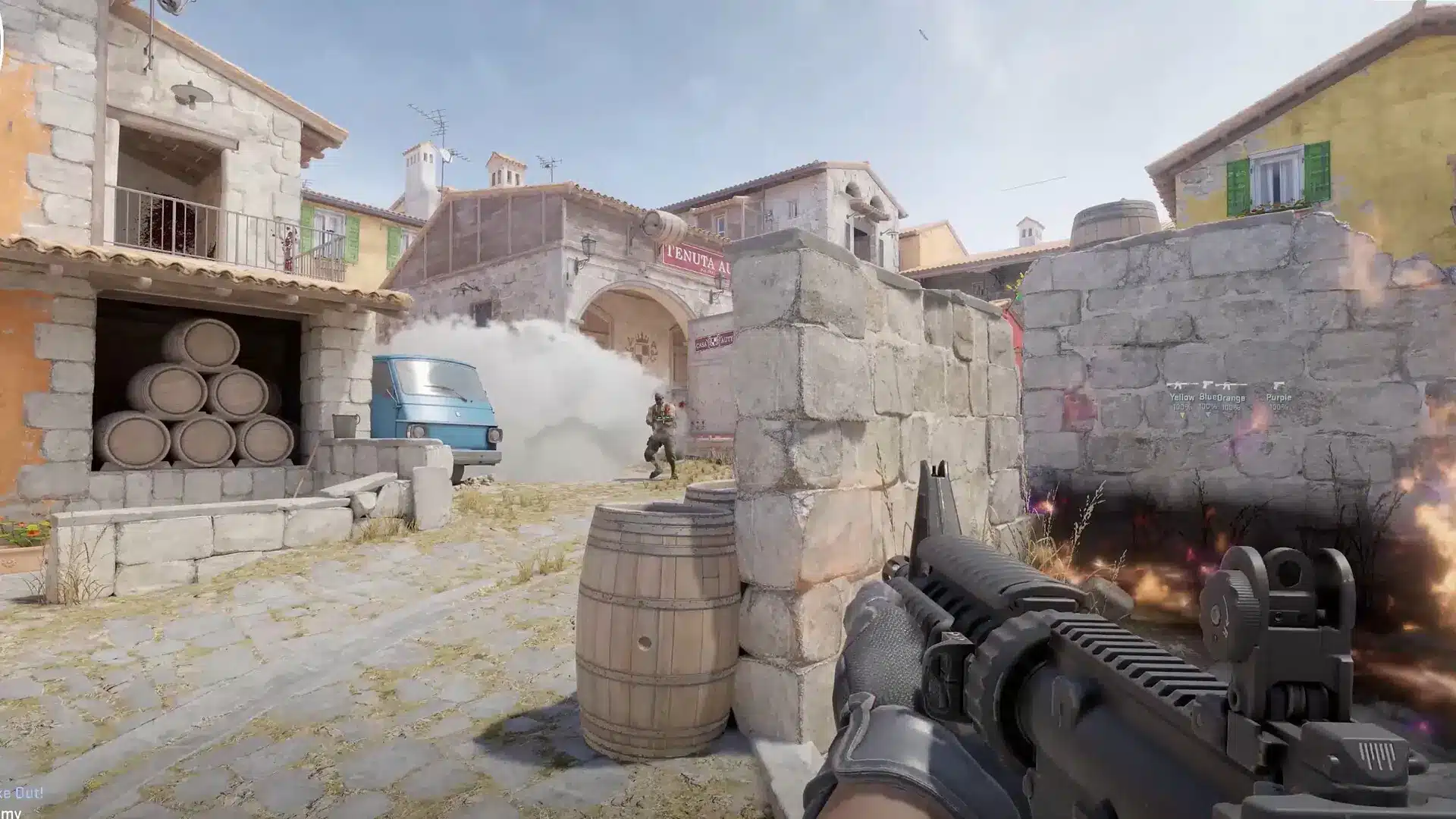
Supplementary Steam Charts data puts September’s average at 805,637.82 concurrent players, down 2.38% from August, or 19,620 players. The game’s monthly peak reached 1,450,705 on September 23. Those exact figures come from the tracker data; dust2.us reported the broader average as approximately 805,000.
- Average player count declined for seven consecutive months.
- September averaged approximately 805,000 players, its lowest monthly average since February 2024.
- Steam Charts recorded a 2.38% monthly fall and a peak of 1,450,705 on September 23.
Community debate focuses on anti-cheat and content
Alex “Mauisnake” Ellenberg highlighted anti-cheat. Discussion has also centred on whether Valve should adopt kernel-level anti-cheat, a proposal some community members support; those views do not establish what caused the player decline.
There has also been a more positive response to new content. Travis “Trav” Landaw Mott viewed the addition of the Rush mode as a sign that Valve is taking content updates more seriously, while the report noted that leaks point to further additions. The available player figures do not show that the mode has reversed the wider trend.
The engagement trend matters beyond matchmaking: player activity helps frame commercial conversations around the game’s audience, esports events and monetisation. CS2’s audience and viewership competition is one part of that picture, while questions about sticker revenue and esports sustainability show why sustained engagement matters to teams and organisers.
Competitive calendar offers the next data point
ESL Pro League Season 24 began on October 3, with its playoffs scheduled for October 9–11 at Katowice’s Spodek Arena, according to supplementary information. Valve also released a crosshair overhaul on September 30. These milestones provide context for upcoming engagement data, but neither establishes that the monthly decline will stop.
The Rush update’s brief lift in daily peaks, reported in supplementary tracker analysis, did not prevent September’s average from falling. For publishers, sponsors, teams and tournament organisers, the next monthly readings will show whether new content and the competitive calendar coincide with a change in the baseline.